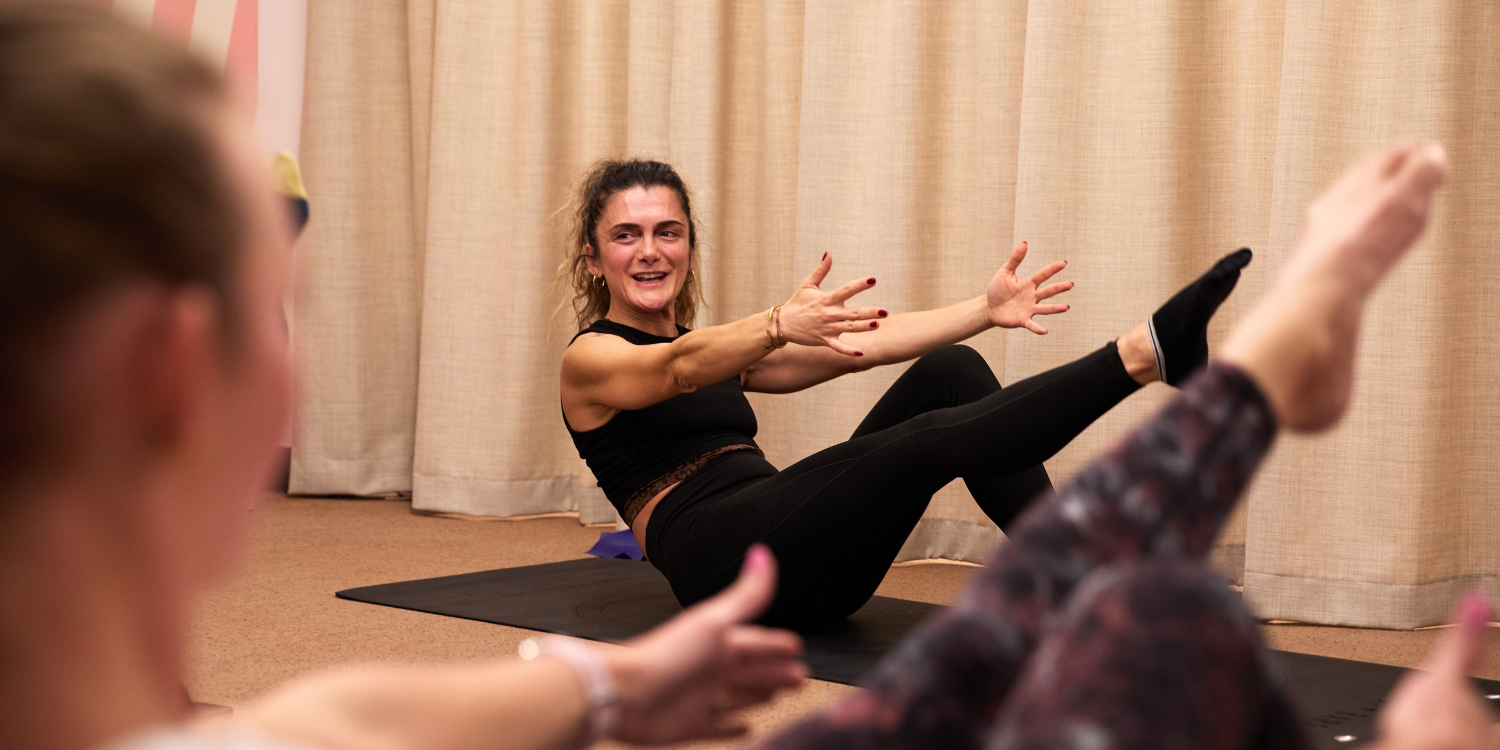
Pilates is becoming increasingly popular, with both mat and Reformer classes attracting more people all the time. However, there are some stereotypes about this exercise that can have people thinking it’s not quite right for the workplace. More and more workplaces are considering dedicated fitness and wellness spaces, including Reformer studios, so let's get into the how and why it could be a great fit for your workspace!
The benefits of Pilates – More than just stretching
Pilates offers something different from traditional gym equipment and high-intensity classes. It’s versatile, accessible and can work in relatively small spaces. What are some of the benefits?
- Strength: Pilates builds core strength and strengthens muscles throughout the body.
- Flexibility and mobility: Improves range of movement, posture and body awareness.
- Low impact, but challenging: Gentle on the joints, but can still provide a demanding workout.
- Suitable for different abilities: Exercises can be adapted for different fitness levels and experience.
- Complements other exercise: Supports activities such as running, weightlifting and cycling.
We have seen an increase in reformer Pilates in workplaces where people have an injury, weakness or challenge that means high impact workouts aren’t quite right.
Breaking the stereotype: Pilates isn't just for women
Pilates is sometimes perceived as being predominantly for women, mainly due to marketing and social medi trends. But its benefits are relevant to everyone! Men can benefit just as much from improved core strength, flexibility, mobility and muscular balance.
It's a great way to encourage people who might not usually attend traditional fitness classes to try something different. And if the males in your workplace really need convincing, some people don’t know that it was actually started as a form of physical therapy to rehabilitate wounded and interned soldiers in WW1.
Mat vs Reformer Pilates – What's the difference?
There are two main types of Pilates - mat and reformer. So what is the difference?
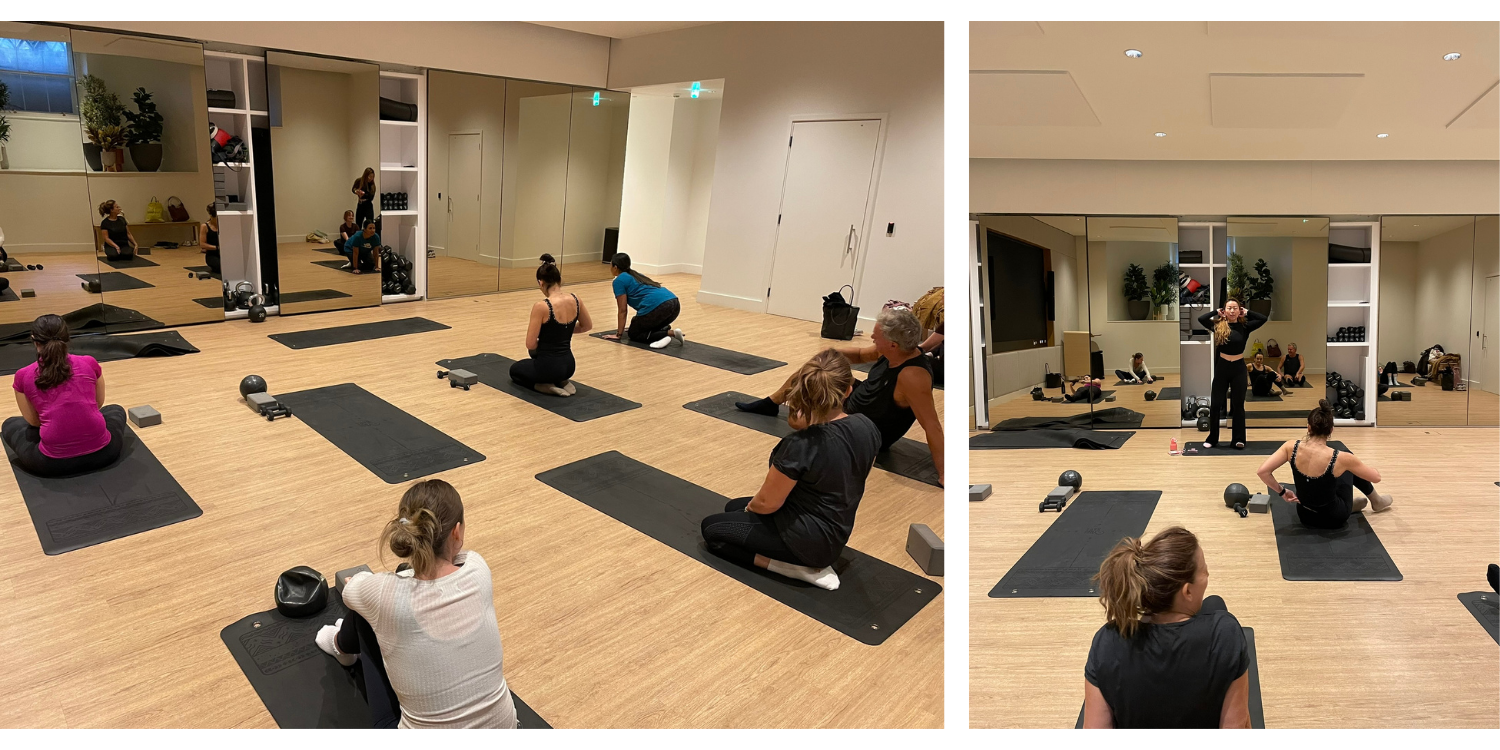
Mat Pilates
- Requires minimal equipment, making it easy to introduce into existing workplace studios or multipurpose spaces.
- Can accommodate larger groups.
- A relatively straightforward and cost-effective way to introduce Pilates to a workplace fitness timetable.
Reformer Pilates
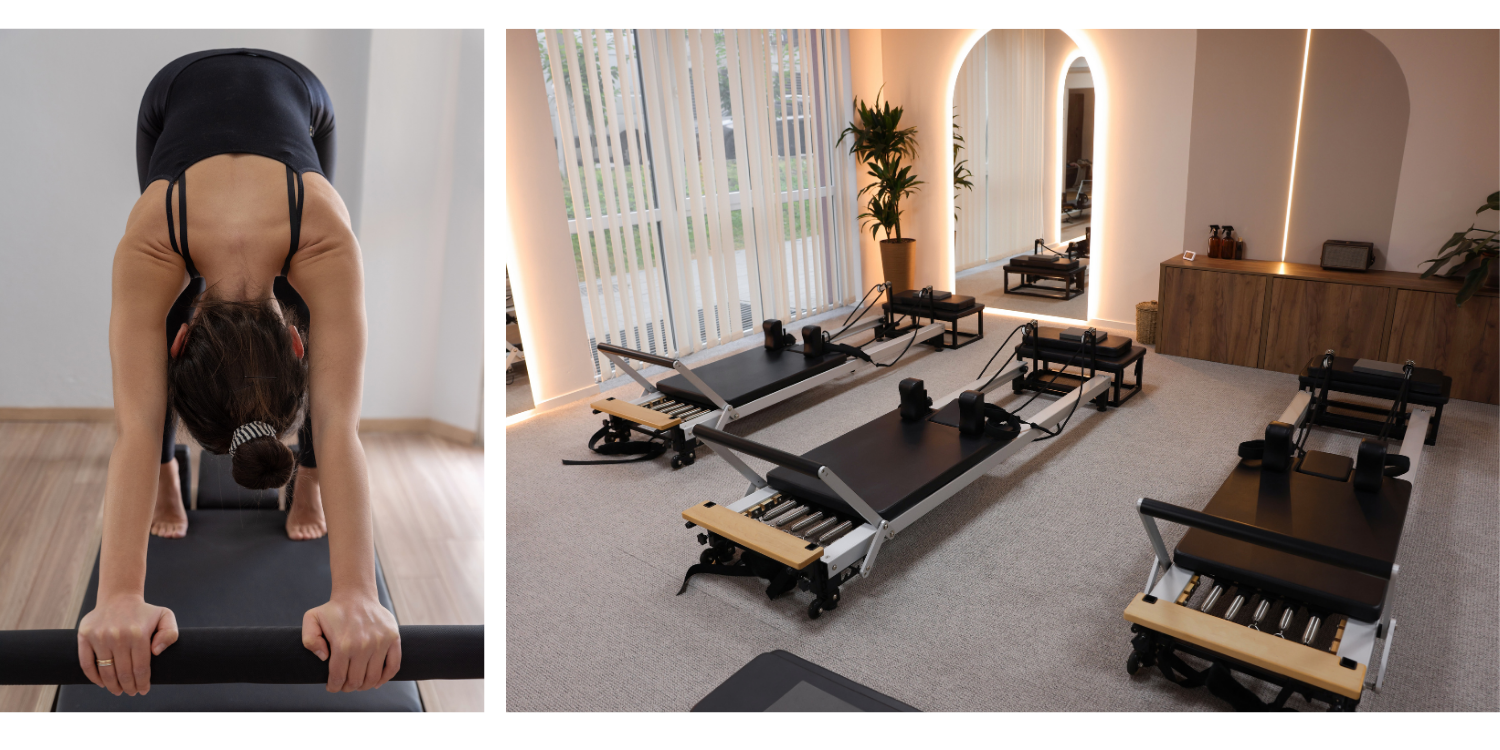
- Uses specialist machines with adjustable springs and resistance.
- Offers a different style of strength and resistance training.
- Requires dedicated space and equipment.
- Can be delivered through small-group classes or one-to-one personal training.
The two formats can really complement each other, offering employees different ways to experience Pilates in the workplace.
Designing a workplace Reformer studio – Why smaller can be better
A lot of the time when you see reformer studios online and in social media, they can have up to 20 machines set up in one room. When it comes to workplace reformer studios, you need to rethink the traditional studio setup.
Three to five machines can be ideal for a workplace setting. Smaller groups allow instructors to spend more time with each participant, helping with technique and positioning. Participants can easily discuss injuries, mobility limitations or easily speak up about any adaptations that they need. It also makes one on one sessions more worthwhile, as you are making use of the machines and space without restricting others from working out - as can be the case sometimes with gym equipment.
Making Pilates part of workplace wellbeing
Whether it's introducing weekly mat classes or investing in a dedicated Reformer studio, there are options for different workplaces and budgets. The key is creating a space and programme that employees will actually use.
Workplace fitness doesn't have to mean rows of treadmills and weights. With the right setup and instructors, Pilates offers another way to make fitness facilities more varied, inclusive and engaging.